


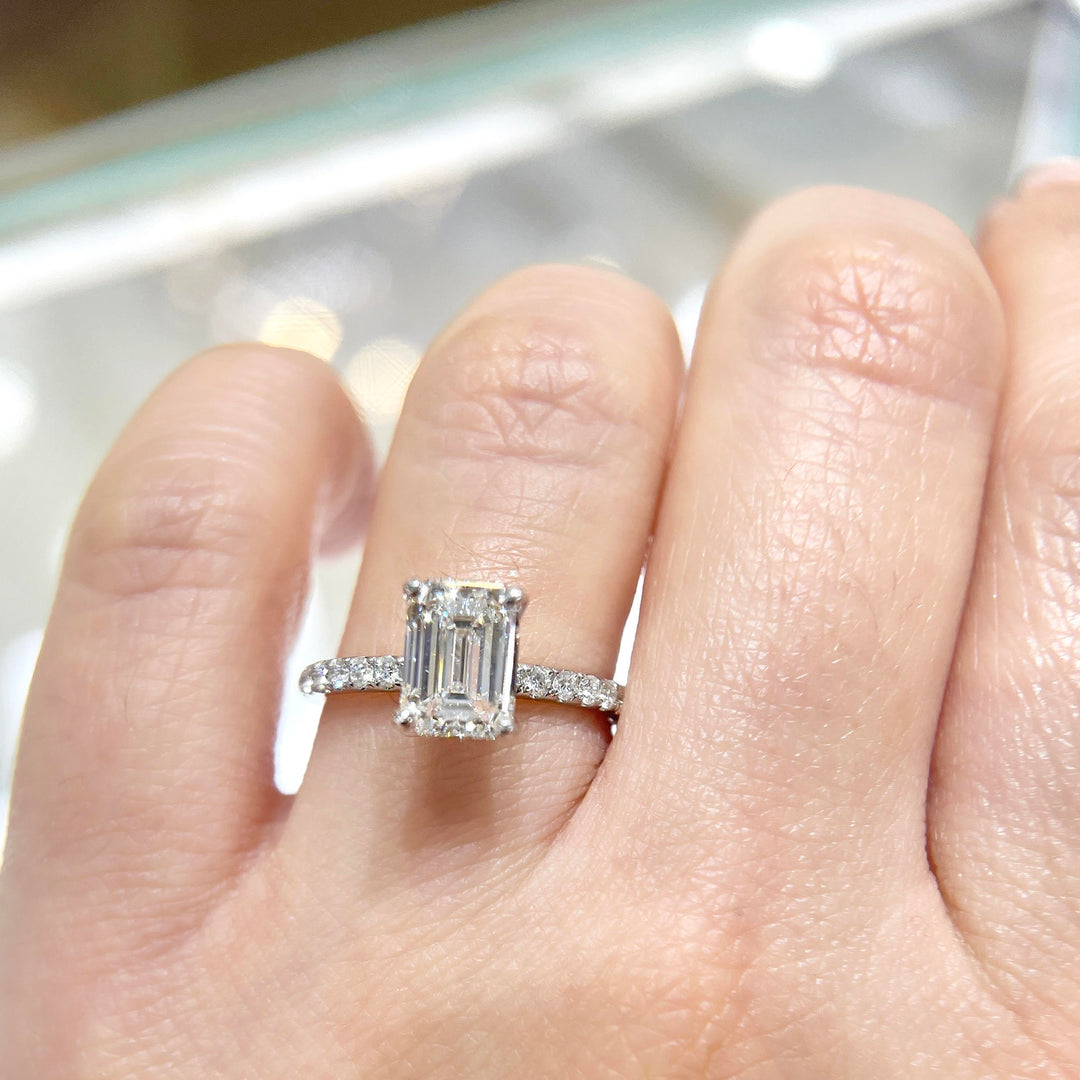


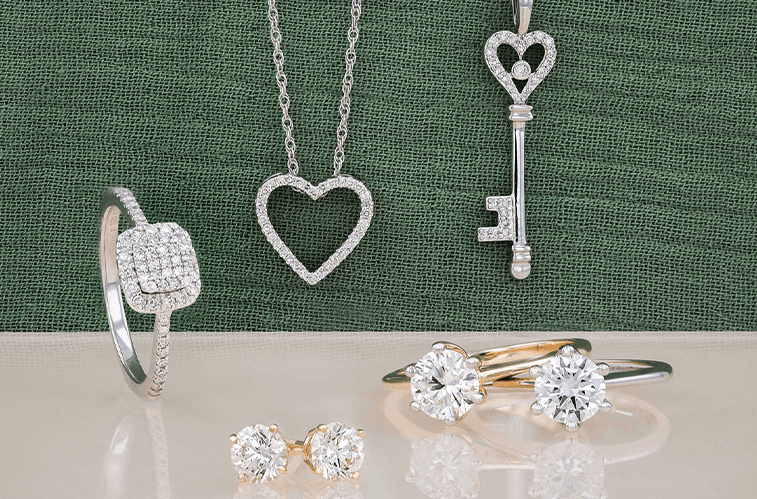




Lab-grown diamonds have been gaining significant attention in recent years, offering a sustainable and ethical alternative to natural diamonds. But what exactly are these diamonds, and how are they created? One of the most intriguing methods used in their production is Chemical Vapor Deposition (CVD). In this article, we’ll explore the intricacies of CVD diamonds, their benefits, and why they might be the perfect choice for your next piece of jewelry.
1. What are Lab-Grown Diamonds?
Lab-grown diamonds, also known as synthetic or cultured diamonds, are created in a laboratory setting that mimics the natural process of diamond formation. Unlike diamond simulants such as cubic zirconia, lab-grown diamonds have the same physical, chemical, and optical properties as natural diamonds. They are made from pure carbon and exhibit the same hardness and brilliance.
2. The Process of Chemical Vapor Deposition (CVD)
Understanding CVD Technology
CVD is a method used to produce high-quality diamonds by depositing carbon atoms onto a substrate. This process occurs in a vacuum chamber, where a carbon-rich gas, typically methane, is introduced and broken down. The carbon atoms then adhere to a substrate, layer by layer lab made diamonds, forming a diamond crystal.
Steps Involved in CVD
- Preparation: A thin slice of diamond, known as a seed, is placed in the CVD chamber.
- Gas Introduction: Methane and hydrogen gases are introduced into the chamber.
- Ionization: A plasma is created by heating the gases, causing them to break apart.
- Deposition: Carbon atoms from the methane settle onto the seed diamond, growing a new diamond layer by layer.
- Cooling and Extraction: Once the desired thickness is achieved, the diamond is cooled and extracted from the chamber.
3. Advantages of CVD Diamonds
Environmental Benefits
CVD diamonds are more environmentally friendly compared to mined diamonds. Traditional diamond mining involves significant land disruption, energy consumption, and carbon emissions. In contrast, the CVD process has a much smaller environmental footprint, making it a more sustainable option.
Ethical Considerations
One of the biggest advantages of lab-grown diamonds is that they are conflict-free. The diamond industry has long been plagued by concerns over “blood diamonds,” which are mined in war zones and sold to finance armed conflict. CVD diamonds provide a guilt-free alternative, ensuring that your purchase does not contribute to human rights abuses.
Quality and Purity
CVD diamonds often have fewer impurities and defects than natural diamonds. Because they are grown in a controlled environment, scientists can monitor and adjust the conditions to produce diamonds of exceptional quality. This means you can get a diamond that is just as beautiful, if not more so, than a mined diamond.
4. The Market for Lab-Grown Diamonds
Growing Popularity
The market for lab grown diamonds cvd is expanding rapidly. Consumers are becoming more aware of the ethical and environmental issues associated with mined diamonds, and are looking for alternatives. As a result, lab-grown diamonds are becoming a popular choice for engagement rings and other fine jewelry.
Affordability
Lab-grown diamonds are generally more affordable than natural diamonds. Because they do not require extensive mining operations, the costs associated with producing lab-grown diamonds are lower. This price advantage allows consumers to purchase larger or higher-quality diamonds for the same price as a smaller, lower-quality mined diamond.
5. Choosing the Right Lab-Grown Diamond
Certification and Grading
When buying a lab-grown diamond, it is important to look for certification from reputable organizations like the Gemological Institute of America (GIA) or the International Gemological Institute (IGI). These certifications provide assurance about the quality and authenticity of the diamond.
Consider the Four Cs
Just like natural diamonds, lab-grown diamonds are evaluated based on the Four Cs: Carat, Cut, Color, and Clarity. Understanding these factors will help you choose a diamond that meets your standards and preferences.
Retailer Reputation
Choose a reputable retailer who specializes in lab-grown diamonds. Look for reviews and recommendations, and ensure that the retailer offers a return policy and warranty.
Conclusion: The Future of Diamonds
In a world increasingly focused on sustainability and ethics, lab-grown diamonds offer a compelling alternative to traditionally mined diamonds. Through the fascinating process of Chemical Vapor Deposition, these diamonds provide all the beauty and brilliance of natural diamonds without the associated environmental and ethical concerns. As technology advances and consumer awareness grows, lab-grown diamonds are poised to become the new standard in the jewelry industry.