








Car-sharing fleet management is an essential component of the growing car-sharing industry. As urbanization continues to rise and the demand for alternative transportation solutions increases, effective car-sharing fleet management is becoming more critical than ever. Car-sharing services offer individuals the ability to rent vehicles for short periods, promoting flexibility and reducing the need for personal car ownership. However, managing a fleet of cars for shared use presents unique challenges, such as vehicle availability, maintenance, and user experience. In this article professionalautomechanic.com, we will explore the key components of car-sharing fleet management and how it contributes to the success of a car-sharing service.
What is Car-Sharing Fleet Management?
Car-sharing fleet management refers to the processes and strategies involved in overseeing a fleet of vehicles that are shared by multiple users. The goal of car-sharing fleet management is to ensure the efficient operation of the fleet, maintaining vehicles in optimal condition, ensuring availability, and providing a seamless experience for users. This involves a variety of tasks, including vehicle acquisition, maintenance, scheduling, tracking, and ensuring that each car in the fleet is accessible when and where it is needed. Car-sharing fleet management plays a crucial role in ensuring that vehicles are used efficiently, minimizing downtime, and optimizing overall fleet performance.
Importance of Vehicle Maintenance in Car-Sharing Fleet Management
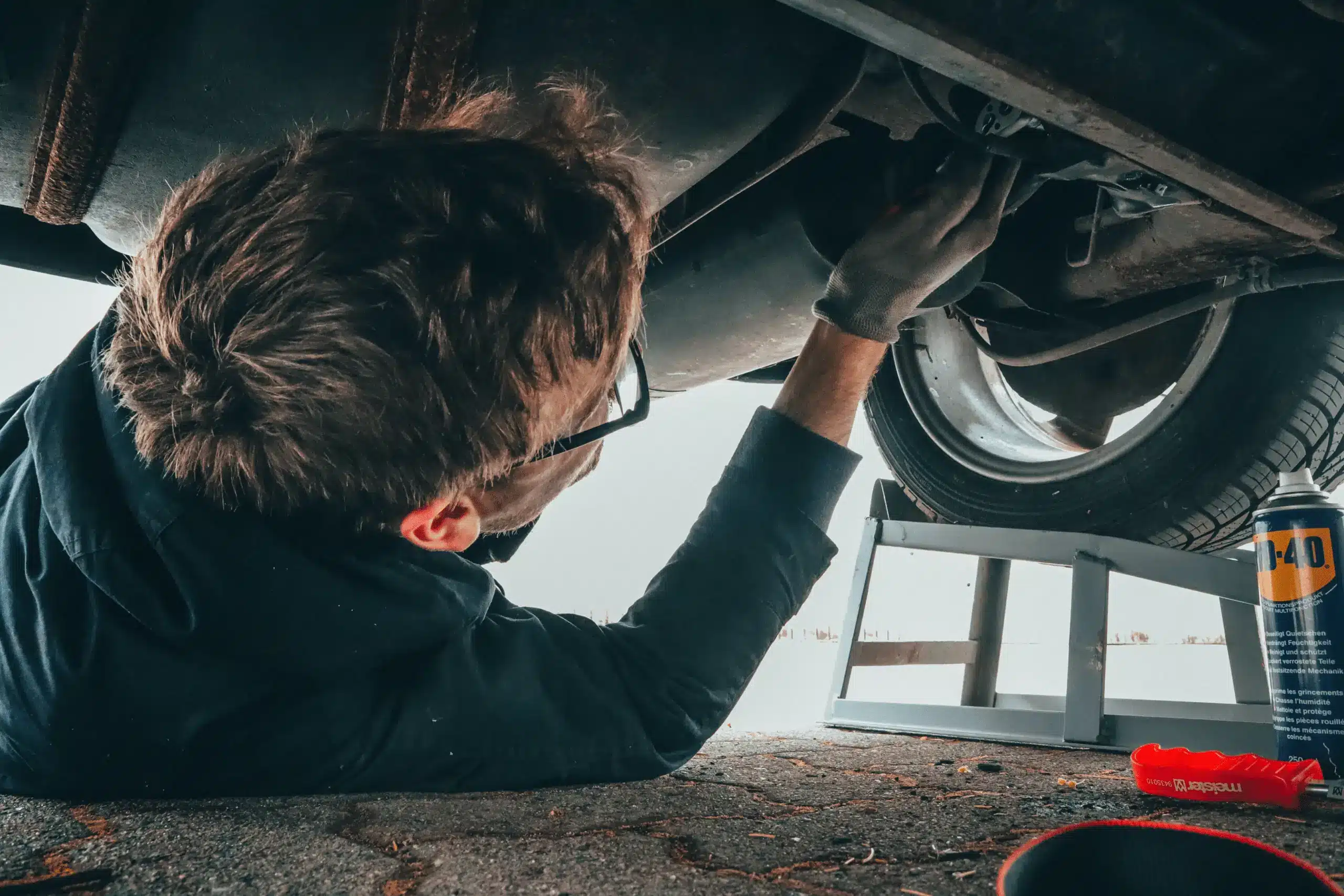
One of the most important aspects of car-sharing fleet management is vehicle maintenance. Since the cars in a shared fleet are used by many different individuals, they are subject to wear and tear at a much higher rate than privately owned vehicles. Regular maintenance is crucial to ensuring the safety, reliability, and longevity of each vehicle in the fleet. Maintenance activities, such as oil changes, tire rotations, brake checks, and engine diagnostics, should be scheduled regularly to prevent breakdowns and costly repairs. Additionally, car-sharing fleet management should prioritize timely inspections to address any issues before they become major problems, keeping the fleet in top condition and ready for use.
Optimizing Vehicle Utilization in Car-Sharing Fleet Management
Efficient vehicle utilization is a central component of successful car-sharing fleet management. The goal is to ensure that cars are available when users need them, while also preventing overutilization of certain vehicles and underutilization of others. Car-sharing companies can use data analytics and real-time tracking systems to monitor vehicle usage patterns and identify trends in demand. For example, cars may be in higher demand during certain hours of the day or in specific locations within a city. By using this information, fleet managers can optimize the allocation of vehicles, ensuring that the right cars are in the right places at the right times. This improves the overall efficiency of the fleet and enhances the user experience.
The Role of Technology in Car-Sharing Fleet Management
Technology plays a vital role in modern car-sharing fleet management. With the help of telematics, GPS tracking, and data analytics, fleet managers can monitor the location, condition, and usage of each vehicle in real time. Telematics systems provide valuable data on driving behavior, fuel consumption, and vehicle performance, allowing fleet managers to make informed decisions about maintenance and optimization. GPS tracking enables companies to track vehicles in real time, helping with the efficient allocation of cars and providing users with up-to-date information on car availability. Additionally, mobile apps allow users to book, unlock, and manage vehicles easily, streamlining the car-sharing experience and enhancing customer satisfaction.
Managing Car-Sharing Fleet Costs
Effective cost management is crucial in car-sharing fleet management, as it directly impacts profitability. Operating a fleet of vehicles involves various expenses, including vehicle purchase or lease costs, insurance, maintenance, fuel, and depreciation. To manage costs effectively, fleet managers need to prioritize cost-efficient strategies. This may involve selecting vehicles that are fuel-efficient or low-maintenance, as well as implementing regular maintenance schedules to reduce the likelihood of costly repairs. Additionally, car-sharing services can implement dynamic pricing models to maximize revenue during peak demand times and optimize vehicle usage. By controlling operational costs and ensuring efficient fleet utilization, car-sharing companies can remain profitable while providing value to users.
User Experience and Customer Satisfaction in Car-Sharing Fleet Management
The success of a car-sharing service is heavily dependent on user experience. Car-sharing fleet management plays a direct role in ensuring that users have a seamless and positive experience every time they use the service. This includes providing a wide range of vehicles to suit different needs, ensuring that cars are clean and well-maintained, and offering an easy-to-use mobile app for booking and managing rides. A smooth and efficient car-sharing experience encourages customer loyalty and repeat usage. Additionally, fleet managers should focus on providing excellent customer support, addressing any issues or concerns promptly, and ensuring that users have access to the vehicles they need when they need them.
Sustainability in Car-Sharing Fleet Management
Sustainability is becoming an increasingly important consideration in car-sharing fleet management. Many car-sharing companies are now focusing on reducing their environmental impact by incorporating electric vehicles (EVs) into their fleets. EVs produce fewer emissions and are more energy-efficient compared to traditional gasoline-powered vehicles, making them an attractive option for car-sharing services. Additionally, car-sharing companies can optimize routes and reduce vehicle idle time, further decreasing fuel consumption and emissions. By prioritizing sustainability in fleet management, car-sharing companies can meet growing consumer demand for environmentally-friendly transportation options and contribute to a cleaner, greener future.
The Challenges of Car-Sharing Fleet Management
Car-sharing fleet management comes with a variety of challenges that require careful planning and execution. One of the biggest challenges is ensuring that vehicles are consistently available and ready for use. Since cars are shared by multiple users, there is a higher likelihood of damage, delays, and maintenance issues. Fleet managers must implement efficient systems to address these issues quickly, ensuring minimal disruption to the service. Additionally, managing the logistics of fleet maintenance, scheduling, and vehicle allocation can be complex, especially in large fleets. Car-sharing companies must rely on technology and data analytics to optimize these processes and ensure smooth operations.
Future Trends in Car-Sharing Fleet Management
As the car-sharing industry continues to evolve, new trends are emerging that will shape the future of fleet management. One of the key trends is the adoption of autonomous vehicles. Self-driving cars have the potential to revolutionize car-sharing by reducing the need for human drivers and optimizing fleet operations. Additionally, the use of electric vehicles is expected to increase as car-sharing companies seek to reduce their carbon footprint and offer more sustainable transportation options. The integration of artificial intelligence and machine learning into fleet management systems will also allow for more accurate predictive maintenance, optimized vehicle allocation, and improved overall efficiency.
Conclusion
Car-sharing fleet management is a complex and dynamic process that requires careful attention to detail, efficient resource allocation, and a focus on customer satisfaction. By maintaining a well-organized and optimized fleet, car-sharing companies can provide reliable, cost-effective, and sustainable transportation options for their users. From vehicle maintenance and cost management to user experience and sustainability, effective fleet management is key to the success of any car-sharing service. As the industry continues to grow, adopting new technologies and strategies will be essential in staying competitive and meeting the evolving needs of customers.