








What is a Car Recall?
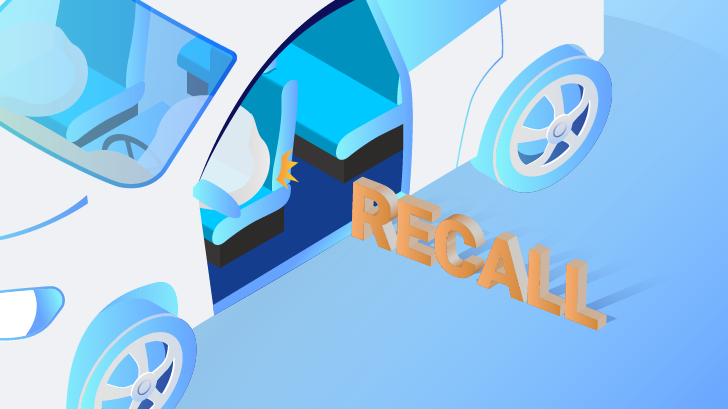
A car recall is when a manufacturer or the National Highway Traffic Safety Administration (NHTSA) orders a specific model or batch of vehicles to be repaired, replaced, or taken off the market because of a defect that poses a safety risk. These defects can involve anything from faulty airbags and malfunctioning brakes to engine problems and design flaws that may lead to accidents.
Car recalls can be issued for several reasons, including:
- Defective parts: Parts that fail to meet safety standards or perform poorly.
- Manufacturing errors: Mistakes made during the assembly process that compromise vehicle integrity.
- Design flaws: Issues that stem from poor design choices that could create safety hazards.
- Non-compliance with regulations: When a vehicle does not comply with government safety standards.
Why Do Car Recalls Happen?
Car recalls are necessary to ensure that vehicles meet safety standards set by government organizations like the NHTSA. When a manufacturer or the NHTSA discovers a safety defect, a recall is issued to prevent the defect from causing accidents or injuries. The goal is to protect consumers by addressing these issues proactively.
Here are some common reasons why https://sockit forward.com happen:
- Airbag issues: Airbags that deploy unexpectedly or fail to deploy can lead to serious injuries during a crash.
- Brake problems: Malfunctioning brakes can make it difficult to stop the car, significantly increasing the risk of a collision.
- Fuel leaks: A fuel system malfunction can cause leaks, leading to the risk of fire.
- Electrical failures: Electrical defects can cause fires or disable critical components of the vehicle, like lights or the power steering system.
- Defective tires: Issues with tire quality can lead to blowouts, which can cause accidents.
How to Check for Car Recalls
Staying informed about car recalls is essential for vehicle owners. Fortunately, checking for recalls is easy and free. Here are a few ways you can check if your car has been recalled:
-
Visit the NHTSA Recall Website: The NHTSA has a comprehensive database where you can search for recalls by entering your car’s Vehicle Identification Number (VIN). This number can be found on your dashboard, near the windshield, or inside the driver’s side door frame on a label.
-
Use the Manufacturer’s Website: Many car manufacturers have dedicated pages for recall information. By entering your VIN or vehicle details, you can get information on whether your car is part of a recall.
-
Contact Your Dealership: Your local dealership can also check if there are any active recalls on your vehicle. Dealerships typically have access to real-time recall databases.
-
Sign Up for Recall Notifications: The NHTSA offers an option for car owners to receive email notifications about recalls. By signing up with your VIN, you can be automatically notified if a recall affects your vehicle.
What to Do if Your Car is Recalled
If you find out that your car has been recalled, it’s essential to take the appropriate steps to address the issue. Here’s what you should do:
-
Contact Your Dealer: Once you’re notified of a recall, reach out to your dealership. Most recalls are fixed free of charge, including labor and parts. If your vehicle needs a repair, the dealership will schedule an appointment to get the work done.
-
Schedule the Repair ASAP: Some recalls may pose immediate safety risks, so it’s important to schedule the repair as soon as possible. If your car is deemed unsafe to drive, the manufacturer or dealer may offer a loaner vehicle while the repair is being made.
-
Keep Documentation: Be sure to keep all paperwork related to the recall repair. It may come in handy if you sell your car in the future.
How to Prevent Recalls from Affecting You
While you can’t always prevent a recall from happening, there are steps you can take to minimize the impact of a recall:
- Stay Informed: Regularly check for recall notices and subscribe to email alerts from the NHTSA.
- Maintain Your Vehicle: Proper maintenance can catch early signs of defects or malfunctions before they turn into a larger issue. Take your car for regular inspections and follow the manufacturer’s maintenance schedule.
- Be Proactive: If you’re purchasing a used car, check for recalls before finalizing the deal. This can save you from potential safety risks and financial burden.
The Importance of Addressing Car Recalls Quickly
Car recalls shouldn’t be ignored. Addressing them promptly is crucial for ensuring your safety on the road. Neglecting a recall can result in:
- Increased Risk of Accidents: Driving with a defect can compromise the safety of the vehicle, putting you and others in harm’s way.
- Higher Repair Costs: Waiting too long to address a recall may lead to more severe issues, which can increase repair costs.
- Reduced Vehicle Value: If you plan to sell or trade in your car, an unresolved recall may reduce its resale value.
Conclusion
Car recalls are an essential part of maintaining safety on the road. By staying informed about potential recalls and acting quickly when one affects your vehicle, you can avoid serious safety risks and protect yourself, your passengers, and other drivers. Regularly checking for recalls, following manufacturer guidelines, and addressing any issues promptly can help keep your vehicle in top condition for years to come.