








Augmented Reality (AR) is quickly becoming one of the most transformative technologies in today’s digital landscape. AR is a technology that overlays digital content, such as images, sounds, and videos, onto the real world, creating an immersive experience for users. Unlike Virtual Reality (VR), which creates an entirely new digital environment, AR enhances a user’s real-world surroundings with additional digital elements. With applications ranging from gaming and education to healthcare and retail, AR has the potential to revolutionize the way people interact with their environment, leading to significant changes in various industries. This article will explore the impact of augmented reality, its applications, and how it is transforming business operations and consumer experiences.
Understanding Augmented Reality
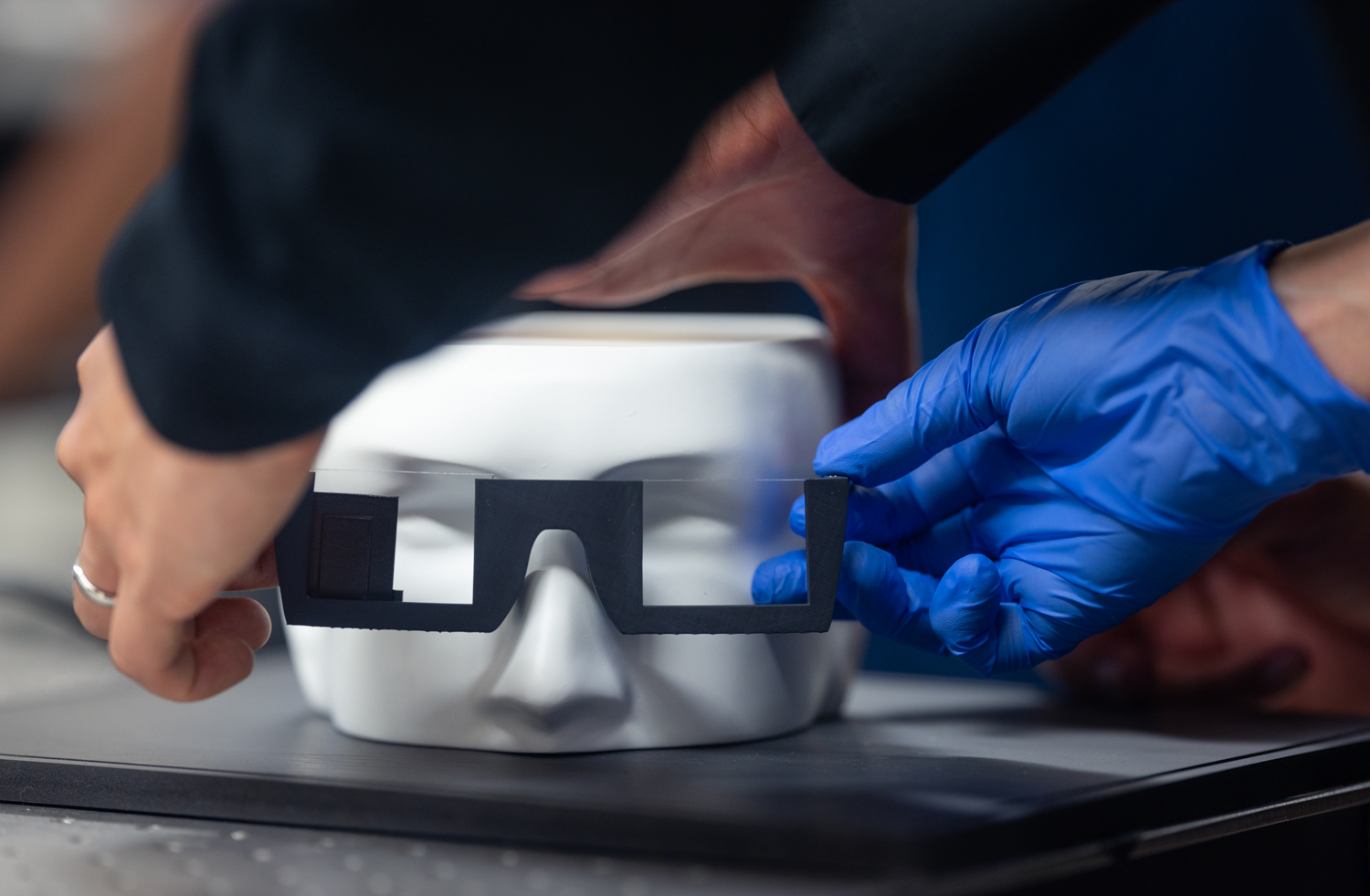
At its core, augmented reality enhances the real world by adding digital elements to it. This technology uses devices like smartphones, tablets, and AR glasses to display virtual objects within a user’s physical environment. AR can recognize real-world objects through cameras and sensors, allowing it to place digital content in a way that interacts seamlessly with the physical world. For example, AR-enabled apps can show directions overlaid on the road, display product information in retail stores, or even offer immersive learning experiences in education iowa headlines.com. By blending digital and physical realities, augmented reality offers a unique way to engage with technology, providing both functional and entertainment value to users.
Augmented Reality in Retail and Shopping
One of the most notable applications of augmented reality is in the retail industry, where it is changing how customers shop and interact with products. AR allows consumers to try products virtually before making a purchase, providing a more interactive shopping experience. For example, home furniture retailers like IKEA have developed AR apps that let customers visualize how a piece of furniture would look in their own homes, helping them make better-informed decisions. Similarly, fashion retailers are using AR technology to allow customers to virtually try on clothes or accessories using their smartphones. This ability to visualize products in real-world settings before purchasing can enhance customer satisfaction, reduce returns, and drive sales.
Enhancing Customer Experiences with Augmented Reality
Augmented reality is also playing a crucial role in enhancing customer experiences across a variety of sectors. In the tourism and hospitality industries, AR is being used to provide interactive city tours, where users can point their smartphones at landmarks to learn more about their history and significance. In museums and galleries, AR is enhancing exhibits by adding 3D models, videos, and interactive elements that engage visitors in new ways. Similarly, in the automotive industry, AR technology is being used to display real-time information about a car’s performance, navigation, and safety features directly on the windshield. By providing more dynamic, engaging, and informative experiences, augmented reality is helping businesses offer a higher level of customer satisfaction and engagement.
Augmented Reality in Education and Training
Another sector that has seen tremendous benefits from augmented reality is education. AR can make learning more immersive, interactive, and engaging by allowing students to explore complex subjects in a hands-on, visual manner. For example, AR apps in classrooms can bring historical events to life, allow students to interact with 3D models of biological organisms, or simulate scientific experiments. This type of interactive learning can help students grasp difficult concepts more easily and retain information more effectively. Additionally, AR is being used in training programs across industries, such as healthcare, where medical professionals can practice procedures in a simulated environment without risk to patients. The integration of AR into education and training programs is enabling more effective, engaging, and realistic learning experiences.
Augmented Reality in Healthcare
The healthcare industry has also seen significant advancements due to augmented reality technology. AR is being used to assist surgeons during complex operations by projecting critical information, such as patient data, medical images, and surgical guidelines, directly onto the patient’s body or surgical instruments. This enhances the precision of the procedure and reduces the likelihood of errors. In addition, AR is being used in rehabilitation therapies, where patients can engage with interactive exercises that motivate them to improve their recovery. Furthermore, AR applications allow medical professionals to simulate surgeries and practice procedures in a risk-free environment. The integration of augmented reality into healthcare is improving both patient care and the efficiency of medical professionals.
Augmented Reality in Real Estate
The real estate industry is also embracing the power of augmented reality to offer a more immersive experience for potential buyers. By using AR technology, real estate agents can provide virtual property tours, allowing prospective buyers to view homes and apartments from the comfort of their own homes. This is particularly useful in markets where buyers may not be able to visit properties in person. AR can also help with property design and renovation by overlaying digital designs onto physical spaces, allowing buyers or investors to visualize how a property could be transformed. The ability to visualize properties and renovations through augmented reality provides real estate professionals with a powerful tool to attract and engage customers.
Augmented Reality in Marketing and Advertising
In marketing and advertising, augmented reality is being used to create interactive and memorable campaigns that engage consumers in new and exciting ways. Companies are using AR to offer virtual try-before-you-buy experiences, where customers can visualize how a product will fit into their lives before purchasing. This has proven to be particularly effective in the beauty industry, where customers can virtually try on makeup using their smartphones. Additionally, AR is being used in outdoor advertising, where billboards and posters can come to life with interactive content when viewed through a smartphone or AR glasses. By incorporating augmented reality into their marketing strategies, businesses can create more engaging, personalized, and impactful experiences for their customers, ultimately driving brand loyalty and sales.
Augmented Reality and the Future of Work
The future of work is being shaped by augmented reality, with applications that enhance collaboration, productivity, and remote work capabilities. For example, AR can enable workers in different locations to collaborate on projects by overlaying virtual information onto physical objects in real-time. This technology can be particularly useful in industries such as manufacturing and engineering, where technicians can receive real-time guidance and troubleshooting instructions while working on machinery. Furthermore, AR can be used in virtual meetings, allowing participants to interact with 3D models, documents, and other digital content as if they were in the same room. As AR continues to develop, it will play an increasingly important role in reshaping how businesses operate and employees interact with their work environments.
The Future of Augmented Reality
Looking ahead, the potential applications for augmented reality are virtually limitless. As the technology continues to advance, AR will become even more integrated into daily life, with enhanced capabilities and new uses across a variety of industries. For example, AR may become a central component of smart glasses or wearable devices, allowing users to access real-time information, communicate with others, and interact with their environment in entirely new ways. Additionally, AR will continue to transform industries such as retail, healthcare, education, and entertainment, creating more personalized, efficient, and immersive experiences for consumers and professionals alike. As these advancements unfold, augmented reality is set to play a key role in shaping the future of technology and human interaction.
Conclusion
In conclusion, augmented reality is a rapidly evolving technology that is transforming industries and creating new opportunities for innovation and engagement. From retail and healthcare to education and entertainment, AR is enhancing how businesses operate and how consumers interact with products and services. As the technology continues to develop, augmented reality will become an even more integral part of our daily lives, revolutionizing customer experiences, improving operational efficiency, and driving growth across industries. Embracing augmented reality presents exciting possibilities for businesses, and its potential to reshape the future is truly vast.