









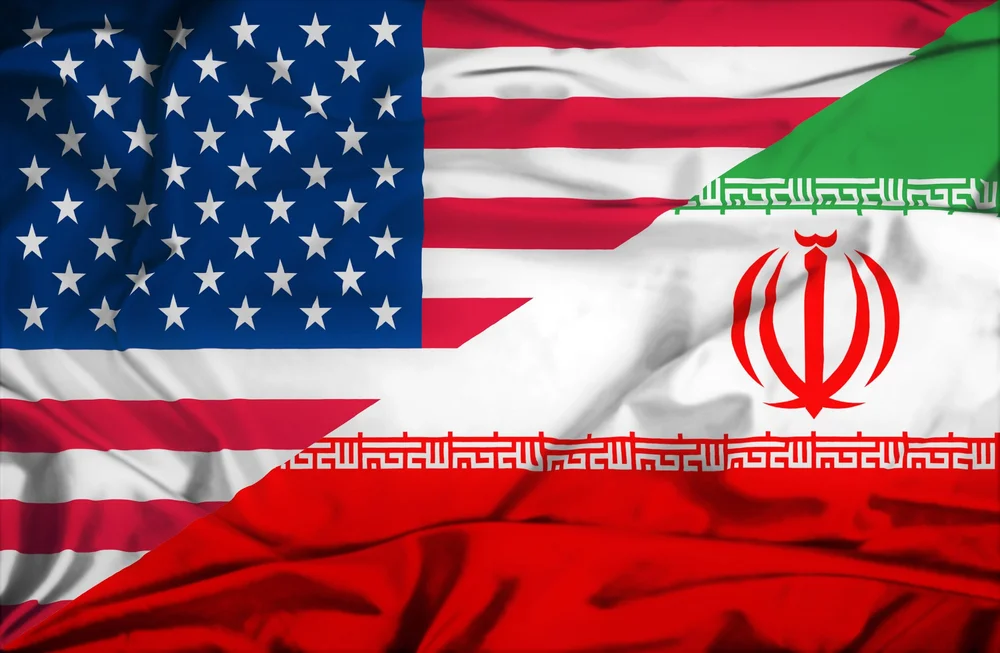
The relationship between Iran and the United States has been a focal point of international news, with ongoing developments reflecting the complexities of their diplomatic, economic, and geopolitical interactions. Recent news highlights various aspects of this intricate relationship, including diplomatic negotiations, economic sanctions, and regional conflicts. This article provides an overview of the latest developments and trends in the Iran-USA dynamic, offering insights into their impact on international relations and global stability.
Diplomatic Relations
1. Nuclear Deal Negotiations
- Renewed Talks: Recent months have seen renewed diplomatic efforts to address the Iran nuclear deal, formally known as the Joint Comprehensive Plan of Action (JCPOA). Negotiations between Iran and the United States, along with other signatories, have been ongoing in an attempt to revive the agreement and address concerns over Iran’s nuclear program. Key discussions include issues related to sanctions relief, uranium enrichment levels, and compliance verification.
- Challenges and Stalemates: Despite ongoing talks, challenges remain. Disagreements over the scope of sanctions relief and Iran’s nuclear advancements have led to periods of stalemate. The complexities of these negotiations reflect broader geopolitical tensions and differing priorities among the involved parties.
2. Diplomatic Outreach and Engagement
- High-Level Meetings: Recent high-level meetings between Iranian and American diplomats have aimed to address specific issues and explore pathways for cooperation. These meetings often focus on regional security, humanitarian concerns, and potential areas for mutual benefit. The outcomes of these engagements are closely watched for indications of progress or setbacks in the bilateral relationship.
- Backchannel Communications: In addition to formal negotiations, there have been reports of backchannel communications aimed at de-escalating tensions and finding common ground. These informal discussions play a crucial role in navigating complex diplomatic scenarios and resolving sensitive issues.
Economic Sanctions and Trade
1. Impact of Sanctions
- Economic Pressure: Economic sanctions imposed by the United States have had a significant impact on Iran’s economy. Recent reports highlight the continued effects of these sanctions on various sectors, including oil exports, banking, and trade. The sanctions are intended to pressure Iran into compliance with international agreements and address concerns over its nuclear program.
- Humanitarian Considerations: The humanitarian impact of sanctions has been a topic of concern. Efforts to address the negative effects on ordinary citizens and access to essential goods and services are part of ongoing discussions about the broader consequences of economic pressure.
2. Trade and Economic Relations
- Restricted Trade: Trade relations between Iran and the United States remain limited due to sanctions and geopolitical tensions. Recent developments include occasional exceptions for humanitarian goods and discussions about potential trade agreements in specific sectors. However, overall trade between the two countries remains constrained.
- Economic Strategies: Iran has sought to mitigate the impact of sanctions through various economic strategies, including diversifying trade partners and pursuing economic reforms. Recent efforts focus on strengthening economic ties with countries outside the United States and developing domestic industries.
Regional Conflicts and Security
1. Middle East Tensions
- Proxy Conflicts: Iran’s involvement in regional conflicts, including support for proxy groups and military activities, has been a source of tension with the United States. Recent news includes updates on conflicts in Syria, Iraq, and Yemen, where Iranian influence and American interests intersect. The dynamics of these conflicts impact broader regional stability and US-Iran relations.
- Military Posturing: Both tnchronicle.com have engaged in military posturing and strategic maneuvers in the region. Recent incidents include military exercises, naval deployments, and rhetoric related to national security. These actions reflect ongoing concerns about regional security and the potential for escalations.
2. Counterterrorism Efforts
- Collaborative Initiatives: There have been occasional collaborative efforts between Iran and the United States on counterterrorism initiatives. These efforts aim to address shared threats and enhance security cooperation. However, such collaborations are often complicated by broader political and strategic disagreements.
- Terrorism and Extremism: Both countries have expressed concerns about terrorism and extremism, with differing perspectives on the sources and solutions to these issues. Recent news includes discussions on counterterrorism strategies and efforts to address radicalization and violent extremism.
Humanitarian and Social Issues
1. Human Rights Concerns
- Human Rights Violations: Human rights issues in Iran have been a point of contention in US-Iran relations. Recent reports highlight ongoing concerns about human rights violations, including political repression, freedom of expression, and treatment of detainees. These issues are frequently raised in diplomatic discussions and international forums.
- International Response: The international community, including the United States, has expressed concerns about human rights practices in Iran. Recent news includes statements from human rights organizations and international bodies addressing these concerns and advocating for reforms.
2. Humanitarian Aid
- Humanitarian Assistance: Despite political tensions, there have been efforts to provide humanitarian aid to Iran. Recent developments include initiatives to support medical and disaster relief efforts, as well as discussions on facilitating access to humanitarian resources amid ongoing sanctions.
- Cultural and Educational Exchanges: There have been limited but notable cultural and educational exchanges between the two countries. These exchanges aim to foster mutual understanding and cooperation, even amid broader political disagreements.
Looking Ahead
1. Future Negotiations and Agreements
- Potential Agreements: Future negotiations between Iran and the United States may focus on various agreements related to nuclear non-proliferation, regional security, and economic cooperation. The outcomes of these negotiations will be crucial for shaping the future of US-Iran relations.
- Diplomatic Strategies: Both countries are likely to continue exploring diplomatic strategies to address key issues and resolve conflicts. Ongoing efforts to find common ground and navigate complex geopolitical challenges will influence the trajectory of their relationship.
2. Regional and Global Implications
- Impact on Regional Stability: Developments in US-Iran relations have significant implications for regional stability in the Middle East. The dynamics of these relationships will continue to impact conflicts, security, and diplomatic efforts in the region.
- Global Influence: The broader global context will also play a role in shaping US-Iran relations. International diplomatic pressures, global economic trends, and shifting alliances will influence the direction of their interactions.
Conclusion
Recent news related to Iran and the United States reflects a complex and evolving relationship characterized by diplomatic efforts, economic sanctions, and regional conflicts. From nuclear negotiations and economic pressures to human rights concerns and security issues, the dynamics between the two countries continue to shape international relations and impact global stability. As both nations navigate their challenges and opportunities, staying informed about these developments provides valuable insights into the broader context of their interactions and their implications for the world stage.