






Introduction to Diamond Cuts
What is a Diamond Cut?
With regards to diamonds, the expression “cut” doesn’t allude to the shape or style yet instead the diamond’s facets and how they are arranged. It’s the art and science behind the diamond’s sparkle. Consider it the diamond’s personality; it’s what makes it catch your eye and sparkle like a star.
Why Diamond Cut Matters
A diamond’s cut is crucial because it impacts the gem’s brilliance, fire, and scintillation. These qualities conclude how well a diamond mirrors light, creating that overpowering sparkle. Basically, the cut can make or break a diamond’s visual appeal diamond cuts types, and picking one that supplements your personal style and inclinations is essential.
Popular Diamond Cut Types
Round Brilliant Cut
History and Popularity
The Round Brilliant Cut is perhaps the most iconic diamond cut, celebrated for its exceptional brilliance. Its popularity soared in the early 20th hundred years, thanks to the pioneering work of Marcel Tolkowsky. His mathematical approach to cutting maximized light return, setting another standard in diamond cutting.
Characteristics of Round Brilliant Cut
This cut features 58 facets, which work together to create a dazzling display of light. The symmetrical shape allows for optimal light reflection, making it a top decision for the individuals who want a classic, immortal sparkle.
Princess Cut
Origins and Improvement
The Princess Cut, known for its advanced and mathematical appearance, was created during the 1970s by Betzalel Ambar and Israel Itzkowitz. It immediately became popular among the individuals who favored a contemporary twist on the classic diamond shape.
Features and Appeal
With its sharp corners and brilliant facets, the Princess Cut offers a fascinating sparkle and is a great option for the individuals who love a strong, tense look. It’s also a versatile decision for various pearls settings, from engagement rings to pendants.
Emerald Cut
Historical Significance
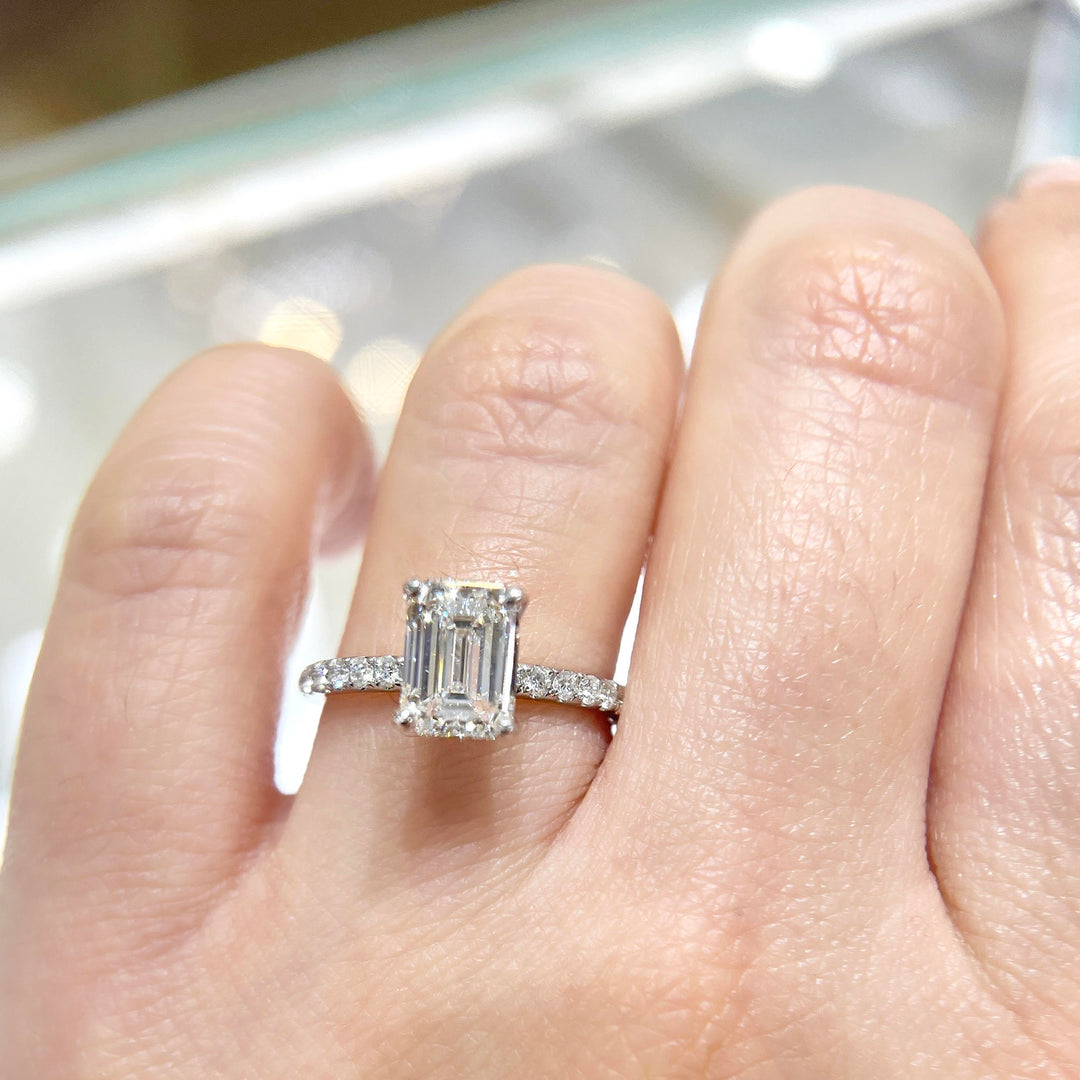
The Emerald Cut, with its long, rectangular facets, was originally planned for emeralds however immediately became a favorite for diamonds. Its origins trace back to the Art Deco era, mirroring an immortal elegance and sophistication.
Fascinating Aspects of Emerald Cut
This cut emphasizes clarity over brilliance, showcasing the diamond’s natural beauty and color. The step-cut facets create a “hall of mirrors” impact, giving the diamond a remarkable and elegant appearance. An ideal decision for those appreciate understated extravagance.
Asscher Cut
Evolution of the Asscher Cut
The Asscher Cut, a variation of the Emerald Cut, was first created by Joseph Asscher in 1902. Its popularity waned at this point saw a resurgence as of late because of its vintage charm and mathematical precision.
Potential gains and drawbacks of Asscher Cut
The Asscher Cut is known for its unmistakable “X” pattern created by its step-cut facets. While it offers a sophisticated sparkle, it also requires a fantastic diamond to really sparkle. Extraordinary plan appeals to the individuals favor a classic yet refined look.
Marquise Cut
The Marquise Cut’s Background
Named after the Marquise de Pompadour, this cut has a rich history dating back to the eighteenth hundred years. Its elongated shape is planned to maximize the diamond’s carat weight while creating an illusion of greater size.
Advantages and Drawbacks
The Marquise Cut is known for its dramatic and elongated shape, which can make fingers appear longer and slimmer. However, its sharp completes are more prone to chipping, so it requires careful setting and maintenance.
Man made diamonds, also known as synthetic or cultured diamonds, are crafted using advanced technological methods that replicate the natural conditions under which diamonds form in the Earth’s mantle. There are two primary techniques for creating these gems: High Pressure High Temperature (HPHT) and Chemical Vapor Deposition (CVD).
Oval Cut
Oval Cut Origins
The Oval Cut was created during the 1960s by Lazare Kaplan, who attempted to create a diamond with the brilliance of the Round Cut at this point in an extraordinary shape. It consolidates the most ideal situation: the classic sparkle with another bend.
Particular Qualities of Oval Cut
With its elongated shape, the Oval Cut can make a diamond appear larger than its actual carat weight. Also a great decision for those want a one of a sort look that actually offers a ton of brilliance.
Cushion Cut
Historical Background
The Cushion Cut, also known as the “pad cut,” has been around since the nineteenth hundred years. Its adjusted corners and larger facets were originally expected to maximize the diamond’s brilliance while restricting the impact of debasements.
Characteristics of Cushion Cut
This cut offers a romantic and vintage feel, with its large facets creating a hypnotizing sparkle. A popular decision for those appreciate classic elegance and a touch of old-world charm.
Picking the Right Cut for You
Factors to Consider
While picking a diamond cut, consider factors, for example, your personal style, the sort of pearls setting, and your budget. Each cut has its extraordinary characteristics, so pick one that best matches your taste and way of life.
Matching the Cut to Your Style
Whether you lean toward a classic Round Brilliant or a contemporary Princess Cut, the right diamond slice should enhance your style and personality. Contemplate what appeals to you most and pick accordingly.
Conclusion
In the world of diamonds, the cut is more than just a shape; it’s an integral part of the gem’s beauty and brilliance. From the immortal Round Brilliant to the remarkable Marquise, each cut offers something particularly amazing. By understanding the different diamond cuts, you can make an informed decision that best suits your style and inclinations. So go, visible as your ideal cut, and let your diamond sparkle as brilliantly as your personality!