


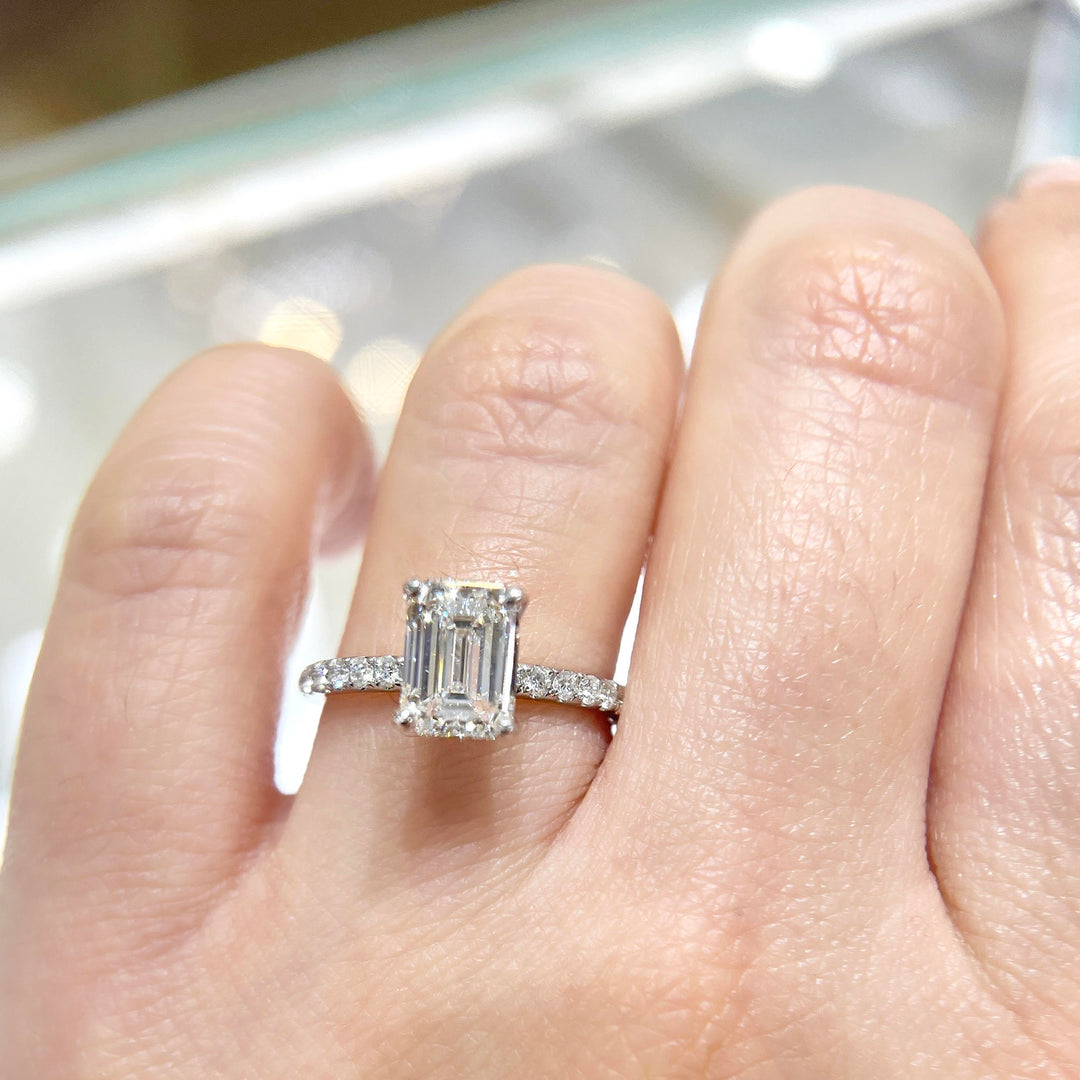


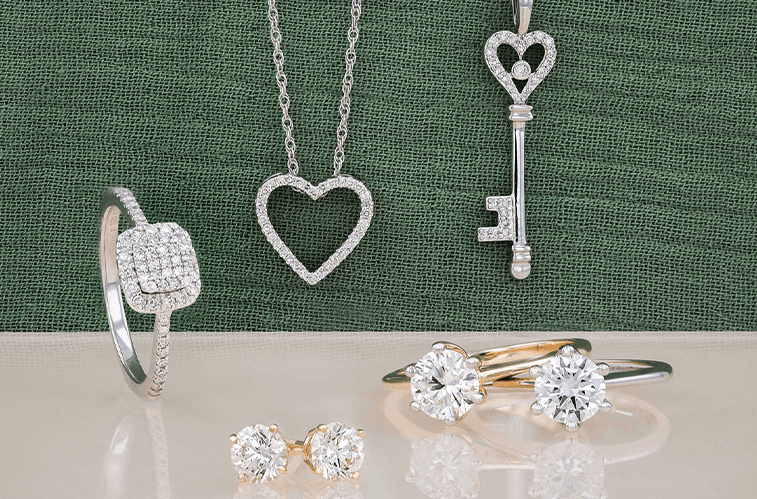




In the world of diamonds, a new contender has emerged that is revolutionizing the industry: lab-grown diamonds. These gems, also known as man-made diamonds, are not only budget-friendly but also environmentally sustainable. In this comprehensive guide, we will delve into the mesmerizing world of budget lab-grown diamonds, exploring their creation process, benefits, and why they are becoming increasingly popular among jewelry enthusiasts.
The Rise of Lab-Grown Diamonds
Lab-grown diamonds are created through advanced technological processes that mimic the natural conditions under which diamonds are formed deep within the Earth. These diamonds possess the same chemical and physical properties as natural diamonds, making them indistinguishable to the naked eye. However, their origin story sets them apart, making them a more ethical and sustainable choice for consumers.
Budget-Friendly Brilliance
One of the primary attractions of budget lab grown diamonds is their affordability. Compared to their natural counterparts, which are mined from the earth’s crust, lab-grown diamonds require fewer resources and labor, resulting in a lower price point. This accessibility has made high-quality diamonds more attainable for a wider range of buyers, democratizing the luxury of owning a dazzling diamond piece.
Environmental Sustainability
In addition to being cost-effective, man made diamonds are also environmentally sustainable. The traditional diamond mining process can have significant ecological impacts, including habitat destruction and water pollution. In contrast, lab-grown diamonds have a minimal environmental footprint, reducing the industry’s overall carbon footprint and ecological strain.
The Process of Creating Lab-Grown Diamonds
The journey of a lab-grown diamond begins in a controlled laboratory environment, where scientists replicate the conditions necessary for diamond formation. This process typically involves two main methods: High Pressure-High Temperature (HPHT) and Chemical Vapor Deposition (CVD).
High Pressure-High Temperature (HPHT) Method
In the HPHT method, a small diamond seed is placed under high pressure and temperature conditions, simulating the natural diamond growth process. Carbon atoms are then deposited onto the seed, gradually building up layers and forming a diamond crystal. This method is known for producing diamonds with exceptional clarity and color.

Chemical Vapor Deposition (CVD) Method
The CVD method involves creating a plasma environment where carbon atoms are extracted from a gas, such as methane, and deposited onto a substrate to form a diamond layer. This process allows for precise control over the diamond’s growth, resulting in diamonds that are ideal for various jewelry designs.
Benefits of Choosing Budget Lab-Grown Diamonds
Cost-Effective Luxury: Enjoy the brilliance of diamonds without breaking the bank.
Ethical Sourcing: Support sustainable practices and ethical diamond production.
Diverse Selection: Explore a wide range of sizes, shapes, and colors to suit your preferences.
Conflict-Free: Rest assured knowing your diamond is free from the ethical concerns associated with traditional mining.
Embracing the Future of Diamond Jewelry
As consumers become more conscious of the environmental and ethical implications of their purchases, the demand for budget lab-grown diamonds continues to rise. These exquisite gems offer a compelling alternative to natural diamonds, combining affordability, sustainability, and stunning beauty.
If you’re ready to explore the world of budget-friendly luxury, consider adorning yourself or your loved ones with a captivating lab-grown diamond piece. Discover the brilliance of man-made gems and join the movement towards a more sustainable and responsible approach to fine jewelry.