






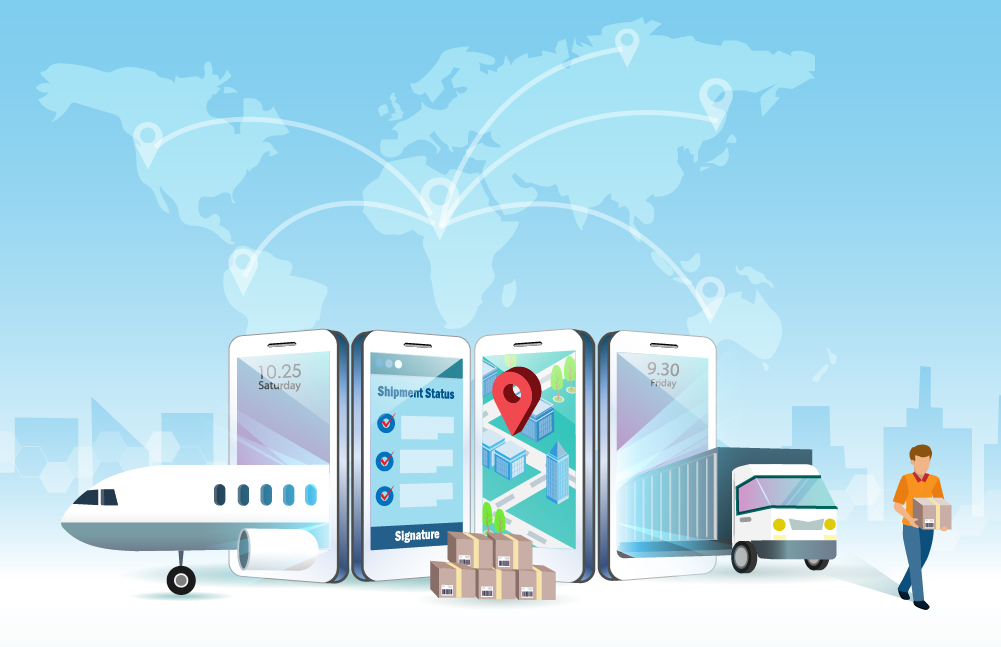



In an era defined by technological innovation and interconnectedness, Information and Communication Technologies (ICTs) have emerged as the driving force behind unprecedented changes in the way we live, work, and communicate. From the rise of smartphones to the advent of the Internet of Things (IoT), ICTs have become integral to our daily existence, shaping the landscape Themainechronicle.com/ of our interconnected world.
The Evolution of ICTs: A Journey Through Time
The journey of ICTs traces back to the early days of computing when the abacus marked the inception of numerical computation. Fast forward to the present, and we find ourselves in an age where artificial intelligence, big data, and cloud computing are at the forefront of technological advancement. This evolution has not only revolutionized the business and communication sectors but has also permeated every aspect of our society.
Connecting the World: The Impact of ICTs on Globalization
One of the most significant contributions of ICTs is their role in fostering globalization. The world has become a global village, with information flowing seamlessly across borders. Social media platforms, online marketplaces, and collaborative tools have transformed the way businesses operate, enabling them to reach a global audience with unprecedented ease. As a result, the dynamics of international relations, trade, and cultural exchange have been reshaped by the interconnectedness facilitated by ICTs.
Empowering Communities: Bridging the Digital Divide
While ICTs have undeniably transformed the lives of many, it’s crucial to address the digital divide that persists in various parts of the world. In remote or economically disadvantaged areas, access to technology remains limited. Efforts to bridge this gap, whether through affordable internet access initiatives or digital literacy programs, play a pivotal role in ensuring that the benefits of ICTs are accessible to all, regardless of geographical location or socioeconomic status.
Challenges and Opportunities in the Digital Age
The rapid evolution of ICTs also brings forth a set of challenges, ranging from cybersecurity threats to ethical considerations in the use of artificial intelligence. As we embrace the opportunities presented by these technologies, it is imperative to develop robust frameworks and regulations to navigate the potential pitfalls. Striking a balance between innovation and responsible use is essential to harness the full potential of ICTs for the benefit of humanity.
Looking Ahead: The Future of ICTs
As we stand on the cusp of a new technological frontier, the future of ICTs holds immense promise. Emerging technologies such as 5G, quantum computing, and augmented reality are poised to redefine the possibilities of human interaction and productivity. The continued integration of ICTs into diverse fields, including healthcare, education, and sustainability, opens up new avenues for solving complex challenges and creating a more sustainable and equitable future.
In conclusion, Information and Communication Technologies are not just tools; they are enablers of progress, catalysts for change, and bridges that connect us in ways previously unimaginable. Embracing the transformative power of ICTs is not merely an option but a necessity as we navigate the complexities of the digital age and shape a future where technology serves as a force for good.