


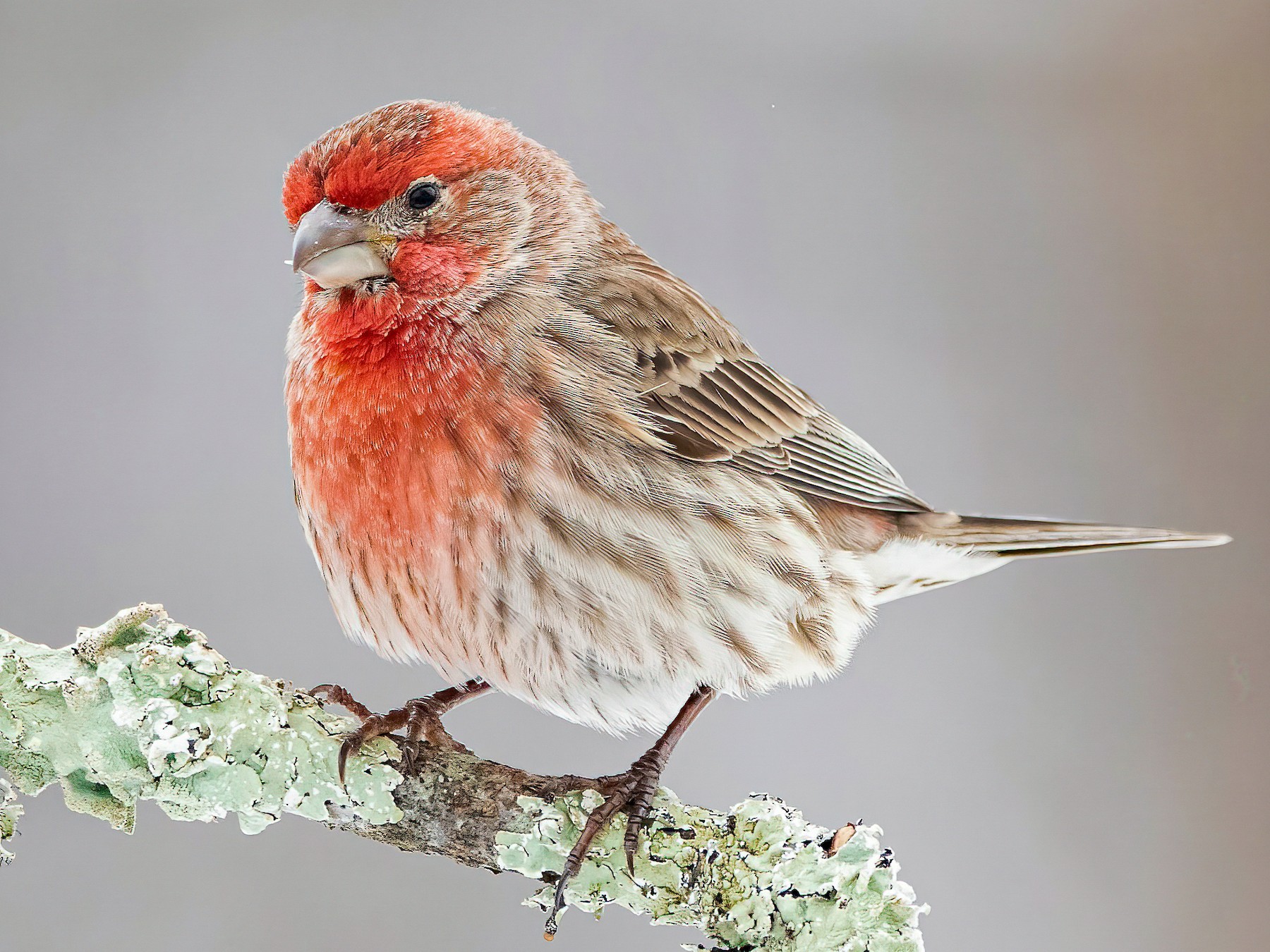
Introduction to House Finch
The house finch (Haemorhous mexicanus) is a charming little bird known for its vibrant plumage and cheerful songs. Native to western North America, these small songbirds have successfully adapted to various habitats across the continent. House finches are a common sight in urban areas, often found nesting in trees, shrubs, and even human-made structures.
Physical Characteristics of House Finch
Coloration
One of the most distinctive features of the house finch is its colorful plumage. Males boast a striking combination of red, brown, and streaks of white on their bodies, while females exhibit more muted tones of brown and gray. These colors become especially vibrant during the breeding season, serving as visual cues during courtship displays.
Size and Shape
House finches are relatively small birds, measuring around 5 to 6 inches in length. They have short, conical bills designed for cracking seeds and extracting insects from crevices. Their wings are rounded, allowing for agile flight and maneuverability in dense vegetation.
Habitat and Distribution
House finches are highly adaptable birds that can thrive in a variety of habitats, including urban, suburban, and rural areas. Originally native to the western United States and Mexico, they have expanded their range significantly due to introductions and natural dispersal. Today, house finches can be found throughout North America, from coast to coast.
Diet and Feeding Habits
House finches are primarily seed-eaters, with a diet consisting of various grains, seeds, fruits, and buds. They are frequent visitors to backyard bird feeders, particularly attracted to sunflower seeds, millet, and thistle. During the breeding season, they may also supplement their diet with insects to provide essential protein for their growing offspring.
Reproduction and Nesting
During the breeding season, which typically spans from early spring to late summer, house finches engage in courtship rituals characterized by elaborate songs and displays. Once a pair forms a bond, the female builds a cup-shaped nest using twigs, grass, and other plant materials. Nest sites vary and can include trees, shrubs, ledges, and even hanging planters.
Behavior and Social Structure
House finches are generally social birds, often seen foraging in small flocks or congregating around food sources. While they are not territorial outside of the breeding season, males may establish temporary territories during courtship and nesting. They communicate through a variety of vocalizations, including chirps, trills, and warbles.
Predators and Threats
Like many small birds, house finches face predation from a variety of animals, including domestic cats, birds of prey, and snakes. Additionally, they are susceptible to habitat loss, pollution, and collisions with man-made structures such as buildings and vehicles. Despite these threats, house finch populations remain stable overall.
Conservation Status
The house finch is not currently considered globally threatened, with populations widespread and abundant across its range. However, localized declines may occur in areas where habitat loss and other human-induced factors are prominent. Continued conservation efforts, such as habitat preservation and responsible urban planning, are crucial for ensuring the long-term viability of Ngepress.com/ populations.
Interaction with Humans
House Finch as Pets
In some regions, house finches have been kept as pets due to their charming appearance and melodious songs. However, it’s essential to note that capturing and keeping wild birds as pets is illegal in many jurisdictions and can have detrimental effects on wild populations.
Attracting House Finches to Your Yard
If you enjoy observing birds in your backyard, attracting house finches can be a rewarding experience. Providing a variety of bird feeders stocked with their favorite seeds and maintaining natural vegetation for nesting and shelter can help attract these colorful visitors.
Interesting Facts about House Finches
- House finches were introduced to the eastern United States in the 1940s, where they quickly established thriving populations.
- Despite their name, house finches do not exclusively inhabit human dwellings but can be found in a wide range of habitats, including forests, grasslands, and deserts.
- House finches are prolific singers, with males known to sing throughout the year, especially during the breeding season.
- These birds are highly adaptable and can adjust their diet and nesting habits based on environmental conditions and resource availability.
Myths and Misconceptions
Myth: House finches are harmful to crops and gardens.
While house finches may occasionally feed on agricultural crops and garden plants, they primarily consume weed seeds and insects, making them beneficial to farmers and gardeners by helping control pest populations.
Myth: House finches carry diseases that can spread to humans.
While house finches can contract diseases such as avian conjunctivitis, the risk of transmission to humans is minimal. Practicing good hygiene, such as regularly cleaning bird feeders and bird baths, can help minimize the spread of disease.
Conclusion
In conclusion, the house finch is a delightful and adaptable bird species that has successfully established itself in various habitats across North America. With its vibrant plumage, melodious songs, and fascinating behaviors, the house finch continues to captivate birdwatchers and nature enthusiasts alike. By understanding and appreciating these charming birds, we can contribute to their conservation and ensure their continued presence in our ecosystems.