


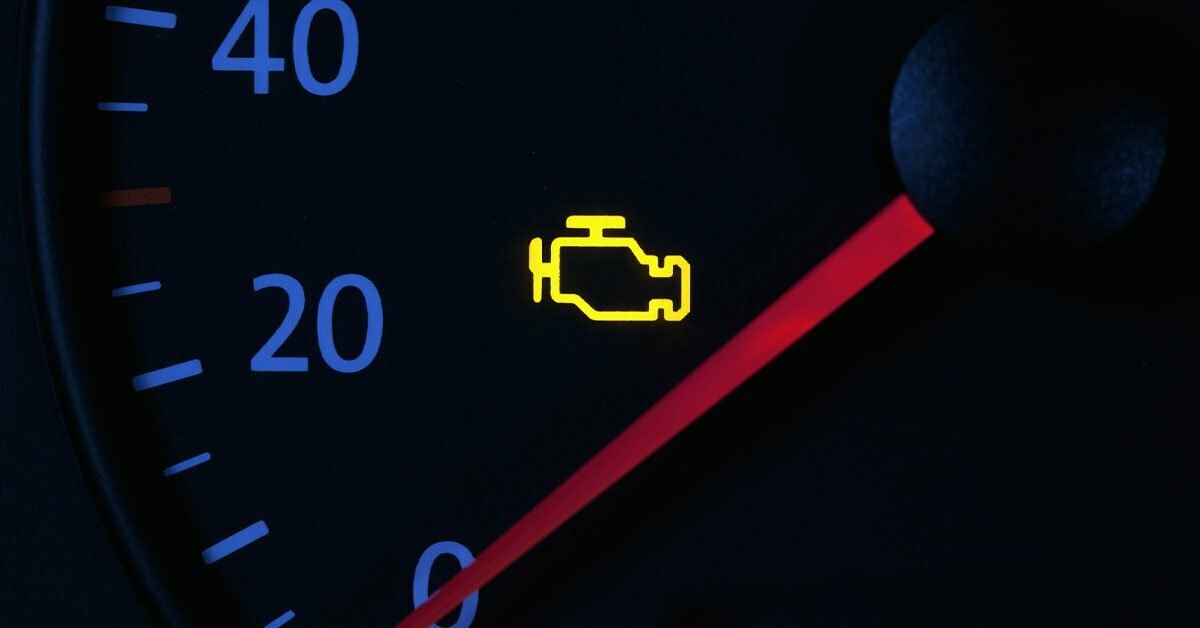
The check engine light, Truthin24.com/ also known as the malfunction indicator light (MIL), is a warning light on your car’s dashboard that indicates a problem with the engine or emission control system. The light may come on for a variety of reasons, some of which are more serious than others.
Here are some of the most common reasons why your check engine light might be on:
- Loose or faulty gas cap. This is one of the most common reasons for the check engine light to come on. When you fill up your gas tank, make sure to tighten the gas cap securely. If the cap is loose, it can allow gasoline vapors to escape, which can trigger the check engine light.
- Worn spark plugs or spark plug wires. Spark plugs ignite the fuel-air mixture in your car’s engine, so if they’re worn or damaged, it can cause the engine to run rough and trigger the check engine light.
- Faulty oxygen sensor. The oxygen sensor measures the amount of oxygen in the exhaust gas, and it helps the car’s computer adjust the air-fuel mixture. If the oxygen sensor is faulty, it can cause the engine to run inefficiently and trigger the check engine light.
- Catalytic converter problems. The catalytic converter converts harmful exhaust gases into less harmful gases. If the catalytic converter is clogged or damaged, it can cause the engine to run inefficiently and trigger the check engine light.
- Mass airflow sensor problems. The mass airflow sensor measures the amount of air entering the engine, and it helps the car’s computer adjust the air-fuel mixture. If the mass airflow sensor is faulty, it can cause the engine to run inefficiently and trigger the check engine light.
Other possible reasons for your check engine light to come on include:
- Vacuum leak. A vacuum leak can cause the engine to run lean, which can trigger the check engine light.
- Exhaust gas recirculation (EGR) valve problems. The EGR valve helps to reduce emissions, and if it’s not working properly, it can cause the engine to run rich, which can trigger the check engine light.
- Fuel injector problems. Fuel injectors deliver fuel to the engine, and if they’re not working properly, it can cause the engine to run rich or lean, which can trigger the check engine light.
If your check engine light comes on, it’s important to have it checked by a qualified mechanic as soon as possible. The mechanic will use a diagnostic scanner to read the codes that are stored in the car’s computer, which will help them to identify the problem. Once the problem is identified, the mechanic can repair it.
It’s important to not ignore the check engine light. If you do, the problem may get worse and could eventually lead to engine damage. So if your check engine light comes on, don’t delay in getting it checked out.
Here are some tips to help prevent your check engine light from coming on:
- Change your oil and filter regularly. This will help to keep the engine clean and running properly.
- Use the correct type of fuel. Using the wrong type of fuel can damage the engine and trigger the check engine light.
- Have your car serviced regularly. This will help to catch any potential problems before they cause the check engine light to come on.
By following these tips, you can help to keep your car’s engine running smoothly and prevent the check engine light from coming on.